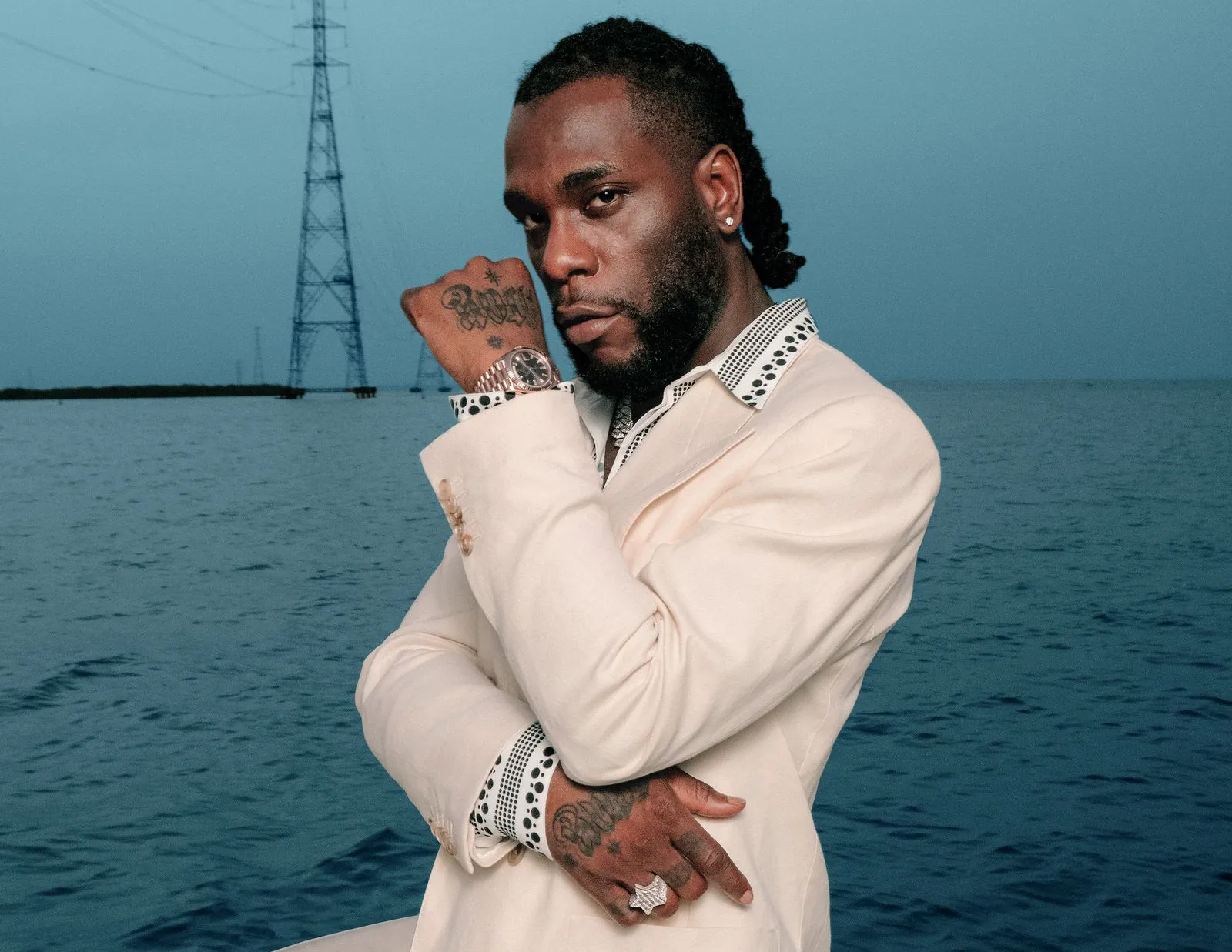
Burna Boy’s Net Worth: Inside the Music, Tours, and Deals Powering His Fortune

Burna Boy: Biography & Net Worth Profile

Burna Boy, born Damini Ebunoluwa Ogulu, is a Nigerian singer, songwriter, and record producer whose career has grown from local acclaim to worldwide dominance. As of 2024–2025, reputable entertainment finance trackers and industry analysts estimate his net worth to be between $20 million and $25 million, reflecting earnings from music sales, global tours, endorsements, streaming royalties, and strategic brand partnerships. While exact figures vary by source due to private contracts and fluctuating tour revenues, Burna Boy remains one of the wealthiest and most commercially successful African musicians of his generation.

Early Life, Family Background, and Education

Burna Boy was born on July 2, 1991, in Port Harcourt, Rivers State, Nigeria. He comes from a family with strong academic and professional roots. His mother, Bose Ogulu, is a linguist, educator, and cultural manager who later became his longtime manager, while his father, Samuel Ogulu, worked in the industrial sector as a welding company manager. Music also ran in the family—his maternal grandfather, Benson Idonije, famously managed Nigerian music icon Fela Aníkúlápó Kuti, a legacy that deeply influenced Burna Boy’s artistic direction.

Early Career and Breakthrough in Nigeria

Burna Boy officially entered the Nigerian music mainstream in the early 2010s. His debut studio album, L.I.F.E. (2013), was released under Aristokrat Records and supported by several singles, including “Like to Party.” The project positioned him as one of the most promising new voices in Nigerian pop. However, creative differences led to his departure from the label in 2014. Determined to control his artistic direction, Burna Boy founded Spaceship Entertainment in 2015. That same year, he released his second album, On a Spaceship, followed by the Redemption EP, projects that showcased a darker, more experimental sound.

International Breakthrough and Critical Acclaim

A major turning point arrived in 2018 with the release of Outside, an album that introduced Burna Boy to a broader international audience. The project debuted on the Billboard Reggae Albums chart and earned Album of the Year honors at the Nigeria Entertainment Awards. The single “Ye” gained viral momentum, propelled by global political conversations and high-profile co-signs, cementing Burna Boy’s international relevance. His next album, African Giant (2019), elevated his status further, winning Album of the Year at the All Africa Music Awards and earning a Grammy nomination.

Grammy Win and Continued Global Expansion

In 2020, Burna Boy released Twice as Tall, executive produced by Sean “Diddy” Combs. The album debuted at the top of the Billboard World Albums chart and went on to win the Grammy Award for Best Global Music Album. This victory was widely celebrated as a breakthrough moment for Nigerian and African music on the world stage. His sixth studio album, Love, Damini (2022), marked a commercial high point, debuting at No. 14 on the Billboard 200 and featuring collaborations with Ed Sheeran, J Balvin, Popcaan, and Khalid.

Recent Releases and Chart Records

In August 2023, Burna Boy released I Told Them…, his seventh studio album. The project debuted at No. 1 on the UK Albums Chart and entered the Top 10 of the U.S. Billboard 200, making him the first African artist to debut in the U.S. Top 10. Featuring artists such as 21 Savage, J. Cole, RZA, and Dave, the album was praised for blending Afrofusion with classic hip-hop and R&B influences. As of mid-2025, Burna Boy has not released an eighth studio album but remains highly active through global tours, festival appearances, and standalone singles.

Collaborations and Global Reach

Burna Boy’s collaborations span continents and genres. Over the years, he has worked with Fall Out Boy, Stormzy, Ed Sheeran, Beyoncé, Justin Bieber, Sam Smith, Master KG, and Diddy, among many others. His contributions to Beyoncé’s The Lion King: The Gift soundtrack further enhanced his global profile. Recent collaborations include “Talibans II” with Byron Messia, “Mera Na” with the late Sidhu Moose Wala, and appearances on Diddy’s The Love Album: Off the Grid (2023).

Awards, Recognition, and National Honors

Burna Boy’s trophy shelf includes a Grammy Award, BET Awards, All Africa Music Awards, Soundcity MVP Awards, and numerous international nominations. In 2022, he was honored with Nigeria’s Order of the Federal Republic (OFR), recognizing his contributions to music and cultural diplomacy.

Controversies and Public Scrutiny

Like many global stars, Burna Boy’s career has not been without controversy. In 2022, an incident involving members of his security team at a Lagos nightclub led to legal proceedings against the guards. The matter attracted public attention and legal scrutiny, though Burna Boy himself was not formally charged. The episode underscored the intense public focus that accompanies celebrity life.

Personal Life

Burna Boy was previously in a high-profile relationship with British rapper Stefflon Don from 2018 to 2022. Since then, he has kept his personal life largely private, choosing to focus public attention on his music and touring career.

Legacy and Financial Outlook

With a net worth estimated at $20–25 million, Burna Boy’s wealth reflects not just hit records but sustained global demand, sold-out stadium shows, and strategic international positioning. As Afrobeats and Afrofusion continue to gain momentum worldwide, Burna Boy’s influence—and financial power—appears set to grow, solidifying his legacy as one of Africa’s most impactful modern artists.
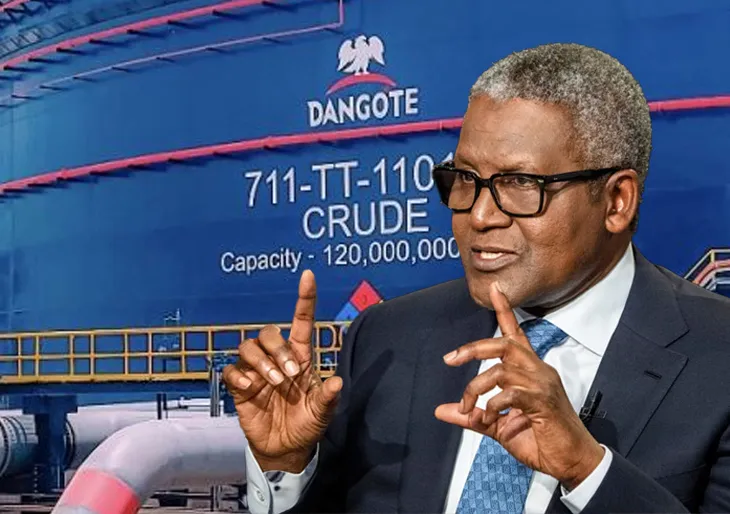
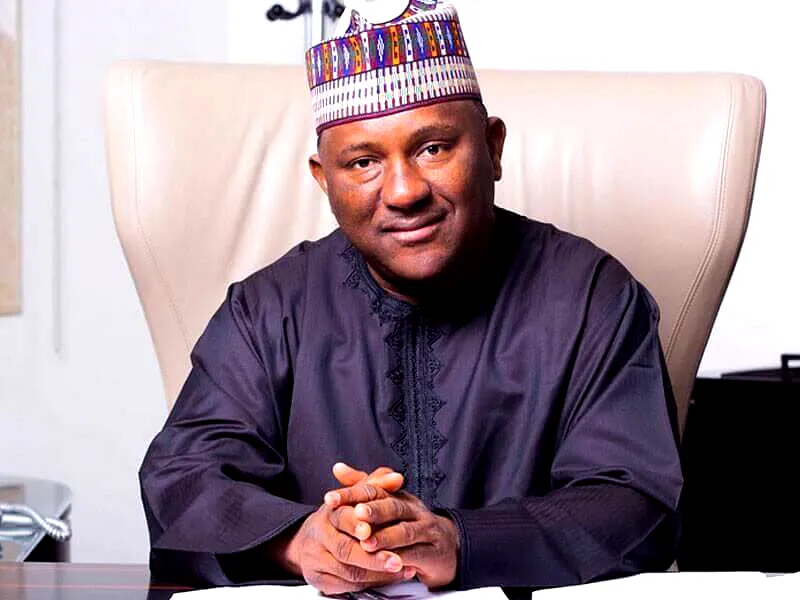
How Aliko Dangote Built His Wealth: Business Strategies Behind Africa’s Richest Man

Aliko Dangote: Africa’s Richest Man – Biography & Net Worth

Africa is often portrayed as a continent defined by poverty, conflict, and underdevelopment, despite being one of the most resource-rich regions in the world. This oversimplified image ignores the wide economic differences among African nations and overlooks the emergence of powerful business leaders reshaping global perceptions. Countries such as Nigeria have increasingly asserted themselves in international commerce, manufacturing, and finance. At the center of Nigeria’s growing economic relevance stands Aliko Dangote, a businessman whose industrial vision has helped redefine how Africa participates in the global economy.

Aliko Dangote’s Net Worth and Global Standing

According to Forbes (2024–2025), Aliko Dangote’s net worth is estimated at $23–25 billion, making him Africa’s richest individual and the wealthiest Black person in the world. He consistently ranks among the top 100 richest people globally, with his fortune tied primarily to large-scale industrial assets rather than speculative investments. Dangote’s rise has not only elevated Nigeria’s profile but has also demonstrated that African-based manufacturing can compete at a global level.

Family Background and Early Entrepreneurial Roots

Aliko Dangote was born on April 10, 1957, in Kano, Nigeria, into a family with deep commercial roots. His great-grandfather was a successful agricultural merchant who built wealth through peanut exports to Europe in the early 1900s. This legacy of trade shaped Dangote’s worldview from a young age. Even as a child, he showed strong business instincts, reportedly buying and reselling sweets to classmates for profit, an early sign of the entrepreneurial drive that would later define his career.

Education and the Birth of Dangote Group

Dangote studied business at Al-Azhar University in Cairo, where he gained formal training in commerce and management. In 1977, shortly after returning to Nigeria, he founded Dangote Group as a small trading company. The firm initially focused on importing commodities such as cement, sugar, rice, and flour. Through strategic relationships, market insight, and an understanding of Nigeria’s regulatory system, Dangote scaled his operations rapidly in a challenging business environment.

Transition from Trading to Industrial Manufacturing

A major turning point in Dangote’s career came in the 1990s when he shifted from trading to local manufacturing. Rather than relying on imports, he invested heavily in domestic production facilities, starting with cement. This move transformed Dangote Cement into Africa’s largest cement producer, with operations in over 10 African countries. Today, the company is one of Nigeria’s most valuable publicly listed firms and a cornerstone of the country’s industrial base.

Expansion into Sugar, Food, and Logistics

Beyond cement, Dangote steadily diversified into sugar refining, flour milling, salt processing, packaging, logistics, and port operations. Dangote Sugar Refinery became the largest in Africa and one of the biggest globally, supplying a majority of Nigeria’s industrial sugar demand. His group also plays a significant role in agricultural exports, including sesame seeds, cocoa, ginger, cotton, and cashew nuts, reinforcing Nigeria’s position in global commodity markets.

Infrastructure, Employment, and National Impact

Dangote’s investments extend beyond manufacturing into transportation, infrastructure, and logistics, areas critical to long-term industrial growth. His companies employ tens of thousands of people directly and indirectly across Africa. In recognition of his contributions to Nigeria’s economic development, Dangote has received multiple national honors, including the Grand Commander of the Order of the Niger (GCON), one of the country’s highest civilian awards.

Global Influence and Philanthropic Partnerships

Dangote’s influence extends well beyond business. He maintains a close working relationship with Bill Gates, co-chair of the Bill & Melinda Gates Foundation. Together, they collaborate on initiatives addressing healthcare, nutrition, and poverty alleviation in Africa. Through the Dangote Foundation, billions of naira have been committed to social causes, reinforcing his role as both an industrialist and philanthropist.

The Dangote Refinery and Energy Transformation

Dangote’s most ambitious project is the Dangote Petroleum Refinery, located in the Lekki Free Zone near Lagos. After years of construction, the 650,000-barrels-per-day refinery began phased operations in 2024, making it the largest single-train refinery in the world. This facility is expected to significantly reduce Nigeria’s fuel imports, conserve foreign exchange, and position the country as a major exporter of refined petroleum products.

Redefining Africa’s Economic Model

Historically, Africa has exported raw materials while importing finished goods. Dangote has deliberately challenged this pattern by investing in value-added processing and industrial infrastructure. His strategy highlights how African resources, when combined with long-term planning and disciplined execution, can generate sustainable national wealth and global competitiveness.

A Legacy Still in Motion

With decades of experience, a diversified industrial empire, and unwavering confidence in Nigeria’s future, Aliko Dangote continues to expand his influence. While global economic conditions fluctuate, his long-term vision remains intact. If current trends persist, Dangote is likely to strengthen his position not just as Africa’s richest man, but as one of the most impactful industrial leaders of the 21st century.

Abdulsamad Rabiu BUA’s Net Worth: From Trading Roots to Africa’s Industrial Elite

Abdulsamad Rabiu (BUA): Biography & Net Worth Profile

Abdulsamad Isyaku Rabiu, known as BUA, is a leading Nigerian industrialist whose wealth has expanded significantly over the years. Based on the latest updates from Forbes and the Bloomberg Billionaires Index (2024–2025), his net worth is now estimated to be between $5 billion and $7 billion, a sharp rise from older figures that placed him below the billionaire threshold. This valuation firmly positions Rabiu among the richest individuals in Africa and consistently ranks him as one of Nigeria’s top three wealthiest citizens and behind Aliko Dangote, depending on market movements and asset valuations. The overwhelming majority of his fortune is tied to his controlling stake in BUA Group, a diversified conglomerate with deep roots in Nigeria’s industrial sector.

BUA Group and Core Business Interests

BUA Group is one of Nigeria’s most influential privately owned conglomerates, with operations spanning cement manufacturing, sugar refining, flour milling, steel production, real estate development, ports and terminal management, shipping, logistics, and energy-related services. The group has played a major role in reducing Nigeria’s dependence on imported industrial goods. One of its most notable infrastructure assets is BUA Cement 1, a 200-meter-long vessel engineered to handle heavy bulk cargo. This ship serves as Nigeria’s first floating cement terminal, enabling more efficient coastal distribution and lowering transportation costs across the country.

Manufacturing Expansion and Market Influence

A defining feature of Rabiu’s wealth-building strategy has been his shift from trading to large-scale local manufacturing. BUA Cement and BUA Foods are now among the most dominant players in their respective markets and are both listed on the Nigerian Exchange, enhancing transparency and investor confidence. These businesses benefit from economies of scale, vertical integration, and alignment with government policies that encourage domestic production. Through aggressive capacity expansion, BUA Group has become a strong competitor to long-established industrial giants, reshaping Nigeria’s cement and food-processing industries.

International Assets and Property Holdings

In addition to his Nigerian business interests, Abdulsamad Rabiu maintains a portfolio of high-value international real estate, reflecting a strategy of global wealth diversification. Reports confirm that he owns luxury properties in the United Kingdom and South Africa, previously valued at over $80 million combined, though figures may vary with market conditions. Among these assets is a prestigious residence in Gloucester Square, London, estimated at nearly $16 million, as well as an upscale penthouse at the One&Only Hotel and Private Residences in Cape Town, valued at more than $12 million. These holdings underscore his preference for stable, premium locations.

Family Background and Early Life

Rabiu was born in Kano State into the household of Isyaku Rabiu, one of Nigeria’s most respected businessmen during the post-independence era. His father amassed considerable wealth through trading and manufacturing at a time when Nigeria’s private sector was still developing. By the mid-1970s, Isyaku Rabiu had become both economically powerful and politically influential, with strong connections within Nigeria’s leadership circles. Growing up in this environment exposed Abdulsamad to commerce early, even though his direct business involvement came later.

Political Upheaval and Business Setbacks

The family’s fortunes were disrupted following the 1983 military coup that removed President Shehu Shagari from office. During the political shake-up, several prominent businessmen were detained, including Isyaku Rabiu. At that time, Abdulsamad was in the United States, completing a bachelor’s degree in economics. When he returned to Nigeria at just 24 years old, he found the family business severely weakened by asset seizures, policy restrictions, and operational decline, forcing him into an unexpected leadership position.

Founding of BUA Group and Early Struggles

With limited hands-on experience but a strong sense of responsibility, Rabiu chose to rebuild rather than abandon the enterprise. In 1988, he launched what would become BUA Group, initially focusing on the importation of rice, sugar, edible oils, steel products, and iron rods. Operating in a challenging economic climate, he relied on calculated risk-taking, persistence, and strategic relationships to stabilize operations and generate steady cash flow. These early years laid the financial foundation for future expansion.

From Millions to Billions

Rabiu’s transformation from a modest trader into a multi-billionaire came through a series of bold and often unconventional decisions, particularly his heavy investment in capital-intensive industries. By reinvesting profits and prioritizing long-term scale over short-term gains, he steadily turned millions into billions. Today, beyond business success, he is also recognized for philanthropy in education, healthcare, and social development, reinforcing his influence across both economic and social spheres.

Aliko Dangote’s Net Worth: Inside the Empire of Africa’s Richest Businessman

Aliko Dangote: Africa’s Richest Man – Biography & Net Worth

Aliko Dangote is a Nigerian industrialist whose wealth has consistently ranked him among the richest people in Africa. As of 2026, his net worth is estimated at $28 billion, making him not only the wealthiest person in Nigeria but also one of the top African billionaires globally. Dangote amassed his fortune primarily through strategic investments in commodities and manufacturing, building a business empire that dominates much of Nigeria’s industrial and commercial sectors. He is the founder and chairman of the Dangote Group, a conglomerate that spans sugar, cement, flour, salt, and other commodities, as well as ventures in oil, gas, telecommunications, and real estate. Over the decades, Dangote has transformed from a young trader into a global business magnate with influence across the African continent.

Early Life and Education

Alhaji Aliko Dangote was born on April 10, 1957, in Kano, Nigeria, into a prominent Muslim family. His parents, Mohammed Dangote and Mariya Sanusi Dantata, belonged to influential and wealthy lineages. On his paternal side, his great-grandfather, Alhaji Alhassan Dantata, was reportedly the richest man in West Africa at the time of his death in 1955. His maternal grandfather, Sanusi Dantata, held a significant position as the former director of Shell Nigeria and also founded Sanusi Dantata & Sons Limited, a major trading company. Growing up in such a background gave Dangote early exposure to business and trade, nurturing his entrepreneurial instincts from a young age.

Early Career and Business Beginnings

After returning to Nigeria in the early 1970s, Dangote received a $5,000 loan from a supportive uncle and secured a government contract that allowed him to begin trading in cement, sugar, and flour. In 1977, he formally launched the Dangote Group, which started as a small trading firm in Lagos. His early strategy involved buying bulk commodities and distributing them to retailers and businesses across Nigeria. This foundation in commodity trading gave him the experience and capital necessary to expand into manufacturing and industrial operations later.

Rise of Dangote Group: From Trading to Manufacturing

By the 1990s, Dangote had shifted his focus from trading to producing commodities locally, a move that transformed his business trajectory. He began establishing factories to manufacture cement, sugar, and flour, items that were heavily imported into Nigeria at the time. This vertical integration allowed him to control costs, maintain quality, and dominate markets. Dangote Sugar Refinery emerged as Africa’s largest sugar producer, while Dangote Cement grew into the continent’s largest cement manufacturer. The cement division proved particularly profitable, as it tapped into Nigeria’s construction boom and Africa’s rising infrastructure needs.

Political Influence and Strategic Business Moves

Aliko Dangote’s success has also been linked to his political connections and ability to navigate Nigeria’s complex business environment. He has made substantial contributions to political campaigns, most notably funding Olusegun Obasanjo’s re-election in 2003 with over N200 million (approximately $2 million USD). Additional donations to the ruling PDP party and projects like the National Mosque have reinforced his network within Nigeria’s political and economic elite. While such contributions have occasionally sparked controversy and scrutiny over potential conflicts of interest, they have also facilitated strategic business advantages in heavily regulated sectors like cement and sugar.

Philanthropy and Social Contributions

Dangote is equally renowned for his philanthropic endeavors, particularly in health, education, and economic empowerment. In 2014, he donated N150 million ($75,000) to help combat the Ebola outbreak in West Africa. During the COVID-19 pandemic in 2020, he contributed N200 million to support Nigerian efforts to curb the virus. He has partnered with global organizations such as the Bill and Melinda Gates Foundation to fight polio and serves on the Board of Directors for the Clinton Health Access Initiative. In 2014, he established the Aliko Dangote Foundation, which focuses on improving public health, advancing education, and promoting economic development.

Personal Life

Aliko Dangote resides in Lagos, Nigeria, and has been married twice, with both marriages ending in divorce. He has three biological daughters, including Halima Aliko Dangote, and one adopted son. Despite his immense wealth, Dangote maintains a relatively private lifestyle, rarely appearing in the media outside of business or philanthropic engagements.

Legacy and Global Impact

Aliko Dangote’s journey from a young commodity trader to the richest person in Nigeria and Africa is a testament to strategic vision, perseverance, and business acumen. Through the Dangote Group, he has shaped Africa’s industrial landscape, creating thousands of jobs and contributing significantly to local economies. His empire spans commodities, manufacturing, oil and gas, telecommunications, and real estate, making him a model of diversification and long-term wealth creation.

Sources of Net Worth

Primary Source of Wealth: Dangote Group (Cement, Sugar, Flour, Salt, Oil, and Gas)
Other Ventures: Real Estate, Banking, Telecommunications, Imports/Exports
Philanthropy: Aliko Dangote Foundation, Public Health Initiatives, Education Programs.

Mike Adenuga’s Net Worth: How the Nigerian Billionaire Built His Fortune

Mike Adenuga: Biography & Net Worth Profile

Mike Adenuga is a prominent Nigerian billionaire with an estimated net worth of $6 billion, placing him among the wealthiest individuals in Africa. This fortune makes him the second richest Black person in the world, ranking just behind fellow Nigerian industrialist and oil tycoon Aliko Dangote. Known for maintaining a low public profile, Adenuga has quietly built an expansive business empire, primarily through mobile telecommunications and oil exploration and production, two sectors that have played a central role in Nigeria’s economic growth over the past few decades.

Globacom: A Telecom Powerhouse

A major pillar of Mike Adenuga’s wealth is Globacom, the telecommunications company he established in 2006. Globacom quickly grew into the second-largest mobile network operator in Nigeria, competing directly with other major telecom providers in the country. The company serves more than 24 million subscribers in Nigeria, offering mobile voice, data, and broadband services. Beyond Nigeria, Globacom expanded its footprint into the Republic of Benin and later secured operating licenses to launch services in Ghana and Côte d’Ivoire, reinforcing its status as a key player in West Africa’s telecom market.

Oil and Gas Wealth through Conoil

In addition to telecommunications, Adenuga has built substantial wealth through the energy sector. His oil and gas company, Conoil Producing, is regarded as one of the largest independent indigenous oil exploration firms in Nigeria. The company operates multiple offshore oil blocks and boasts a production capacity of approximately 100,000 barrels of crude oil per day. Conoil Producing has been instrumental in strengthening local participation in Nigeria’s oil industry, which has traditionally been dominated by international corporations. This oil production capability significantly contributes to Adenuga’s multibillion-dollar valuation.

Early Business Ventures and Entrepreneurial Roots

Long before he became a telecom and oil powerhouse, Mike Adenuga demonstrated strong entrepreneurial instincts at a young age. He reportedly earned his first major fortune at the age of 26 through the distribution of lace fabrics and other materials, a business venture that laid the groundwork for his later investments. His early success provided the capital and confidence needed to enter larger, more complex industries, ultimately leading to the creation of his vast business portfolio.

Personal Life and Private Lifestyle

Despite his enormous wealth and influence, Adenuga is famously private about his personal life. He is married and is the father of seven children, choosing to keep his family largely out of the public spotlight. This reserved lifestyle, combined with his business achievements, has made Mike Adenuga a unique figure among global billionaires—one whose impact is felt across industries, even as he remains personally low-key.

Folorunsho Alakija’s Net Worth: Inside Fortune of Nigeria’s Business Icon

Folorunsho Alakija: Biography & Net Worth Profile

Chief Folorunsho Alakija is one of Nigeria’s most accomplished business leaders and a globally respected philanthropist, with an estimated net worth of $1 billion. Her wealth is the result of decades of involvement across multiple industries, including fashion, real estate, printing, and, most notably, oil and gas. Alakija serves as the Group Managing Director of the Rose of Sharon Group and holds the position of Executive Vice Chairman at Famfa Oil Limited. In addition to these roles, she owns a controlling stake in DaySpring Property Development Company, further solidifying her influence in Nigeria’s property sector. Her journey from a modest professional beginning to becoming one of the richest Black women in the world reflects resilience, strategic thinking, and long-term vision.

Professional Rise and Business Foundations

Folorunsho Alakija’s professional journey began in Lagos, Nigeria, where she worked as an executive secretary while simultaneously nurturing her passion for entrepreneurship. During this period, she launched a small tailoring business, which quickly gained attention for its quality and craftsmanship. The success of this venture laid the foundation for her later dominance in the fashion industry. As her reputation grew, Alakija became deeply involved in shaping Nigeria’s fashion landscape, eventually serving as the National President and a Trustee of the Fashion Designers Association of Nigeria (FADAN). This early phase of her career demonstrated her ability to balance corporate employment with entrepreneurial ambition.

Early Life and Academic Background

Folorunsho Alakija was born on July 15, 1951, in Ikorodu, Lagos State, during Nigeria’s colonial era. She was raised in an affluent household, with her father being Chief L. A. Ogbara, which afforded her access to quality education from an early age. At just seven years old, she relocated to the United Kingdom, where she attended Dinorben School for Girls in Wales. After completing her studies there in 1963, she returned to Nigeria and enrolled at Muslim High School in Sagamu, Ogun State. Determined to further her education, she later went back to the UK to study secretarial administration at Pitman’s Central College in London, a decision that would shape her early corporate career.

Corporate Career and Banking Experience

In 1974, Alakija officially entered the corporate world as an executive secretary at Sijuade Enterprises in Lagos. Her competence and professionalism soon opened doors to greater opportunities. She later joined the First National Bank of Chicago, where she served as executive secretary to the managing director. Her career continued to progress as she moved to the International Merchant Bank of Nigeria, where she became Head of the Corporate Affairs Department and later worked closely with the Treasury Department. These years in banking helped her develop strong administrative, financial, and leadership skills that would prove invaluable in her later business ventures.

Transition into Fashion Entrepreneurship

After spending approximately 12 years in the banking sector, Folorunsho Alakija made a bold decision to follow her creative passion. She left banking to pursue fashion professionally, enrolling at the American College in London and the Central School of Fashion to refine her skills. Upon returning to Nigeria, she launched her fashion brand Supreme Stitches, which quickly gained popularity among elite clients. In 1996, she rebranded the business as the Rose of Sharon House of Fashion, a move that elevated the brand’s prestige. Through leadership roles in FADAN, Alakija played a key part in positioning Nigerian fashion on both local and international stages.

Entry into the Oil and Gas Industry

Seeking to diversify her investments, Alakija ventured into the oil sector in 1993 when she applied for an oil prospecting license through her company Famfa Oil. She was granted exploration rights over a 617,000-acre block located southeast of Lagos. In 1996, Famfa entered a joint venture with Star Deep Water Petroleum Limited, a subsidiary of Texaco, which provided technical expertise for offshore drilling. The venture eventually struck oil, revealing reserves estimated at over one billion barrels. Following the discovery, the Nigerian government asserted claims over portions of the asset, leading to a prolonged legal dispute.

Landmark Legal Battle and Wealth Expansion

After oil was discovered, the Nigerian government attempted to reclaim the oil block, sparking a legal battle that lasted 12 years and reached the Supreme Court of Nigeria. Throughout this period, Alakija maintained her claim, demonstrating remarkable patience and resolve. Ultimately, the court ruled in her favor, confirming her ownership stake. Today, Alakija retains 60% ownership of the offshore oil venture, while the remaining shares are held by Star Deep Water Petroleum and Petrobras, a Brazilian energy company. This victory significantly boosted her net worth and positioned her among the world’s wealthiest women of African descent.

Philanthropic Commitments and Social Impact

Beyond business, Folorunsho Alakija is deeply committed to philanthropy. Through the Rose of Sharon Foundation, she provides support to widows and orphans, offering scholarships, financial aid, and empowerment programs. She has also contributed to educational development by funding a skills acquisition center at Yaba College of Technology in Lagos. Her charitable work reflects a long-standing commitment to social upliftment and community development across Nigeria.

Recognition, Awards, and Personal Life

Alakija’s achievements have earned her numerous accolades. In 2015, she was ranked the second most powerful woman in Africa, behind Ngozi Okonjo-Iweala. In 2020, Forbes named her the richest woman in Nigeria. She further received an honorary doctorate in Business Administration from Benson Idahosa University in 2021. Married to lawyer Modupe Alakija since 1976, she is a mother of four sons and resides in Lagos. She is also the aunt of Nigerian music star DJ Xclusive, highlighting her family’s influence across diverse fields.

Davido’s Net Worth: How the Afrobeats Superstar Built His Fortune

Davido: Biography & Net Worth Profile

Davido, born David Adedeji Adeleke, is one of Africa’s most influential music stars and a dominant force in the global Afrobeats movement. Widely recognized not only for his chart-topping songs but also for his business instincts, Davido has accumulated an estimated net worth of $100 million. His wealth reflects years of musical success, strategic record deals, brand endorsements, and entrepreneurial ventures. Born in Atlanta, Georgia, in November 1992 and raised partly in Lagos, Nigeria, Davido’s journey from a young music enthusiast to an international superstar is a story of persistence, reinvention, and cultural impact. Over the years, he has transformed his talent into a powerful brand that extends far beyond the recording studio.

Background and Early Years

David Adedeji Adeleke was born into a Nigerian family in the United States before relocating to Lagos at a young age. Growing up in Nigeria exposed him to diverse musical influences, which later shaped his sound. While attending the British International School in Lagos, Davido developed a deep interest in music and began experimenting with beats and songwriting. Although his family initially preferred a more traditional academic path for him, his passion for music remained strong. This determination eventually led him to Oakwood University in Alabama, where he studied music. However, formal education soon took a back seat as he decided to focus fully on creating music, producing beats, and recording vocals independently.

Career Breakthrough with “Dami Duro”

Davido’s rise to fame began in 2011 when he released the hit single “Dami Duro.” The song quickly became a nationwide sensation in Nigeria, earning massive airplay and establishing him as a fresh voice in the industry. Its success marked a turning point, bringing Davido into the spotlight and setting the stage for his debut album. In 2012, he released “Omo Baba Olowo,” a project that showcased his versatility and cemented his status as one of Nigeria’s leading young artists. The album’s reception confirmed that Davido was not a one-hit wonder but a rising star with staying power.

Growth, Record Labels, and HKN Music

Building on his early momentum, Davido co-founded HKN Music alongside his older brother, Adewale Adeleke. Through this label, he released several successful singles that dominated clubs and radio stations, including “Gobe,” “One of a Kind,” and “Skelewu.” These tracks strengthened his fan base and expanded his influence across Africa. Beyond performing, Davido also demonstrated strong production skills, working with artists such as Naeto C, Tiwa Savage, and Skales. His behind-the-scenes contributions further boosted his reputation within the Nigerian music industry.

Major Deals and Business Expansion

As his popularity grew, Davido attracted lucrative partnerships and record deals. In 2013, he signed endorsement agreements with MTN Nigeria and collaborated with Guinness Nigeria for the Guinness World of More concert, signaling his growing commercial value. In 2016, he secured a deal with Sony Music, followed by a signing with RCA Records the same year. Around this time, he also launched his own imprint, Davido Music Worldwide (DMW), giving him greater creative and financial control over his career. In 2018, Davido further expanded his brand portfolio by signing an endorsement deal with smartphone manufacturer Infinix, adding to his growing list of corporate partnerships.

Global Recognition and “A Good Time” Era

Davido’s global breakthrough reached new heights with the release of his 2019 album “A Good Time.” The project featured internationally acclaimed singles such as “Fall” and “If,” which achieved impressive chart success and introduced Afrobeats to wider audiences worldwide. “Fall” in particular became one of the longest-charting Nigerian pop songs on international platforms. The album’s success positioned Davido as a global ambassador for African music and earned him a performance at NPR’s Tiny Desk Concert in 2020, a milestone that further validated his international appeal.

Philanthropy, Influence, and Activism

Outside music and business, Davido is also known for his philanthropic activities and social influence. He has consistently donated to causes related to education, healthcare, and disaster relief, using his wealth and visibility to support communities in need. In 2020, Davido played a visible role during the #EndSARS protests, leveraging his platform to speak out against police brutality and advocate for reform in Nigeria. His involvement highlighted his commitment to social issues and reinforced his status as more than just an entertainer.

Davido’s Net Worth and Lasting Legacy

With an estimated net worth of $100 million, Davido stands among the richest and most successful African musicians of his generation. His income streams span music sales, streaming revenue, live performances, endorsements, and label ownership. More importantly, his influence continues to shape the global perception of Afrobeats. Through consistent reinvention, strategic partnerships, and cultural leadership, Davido has built a legacy that blends financial success with artistic impact, securing his place as a true icon of modern African music.