How Aliko Dangote Built His Wealth: Business Strategies Behind Africa’s Richest Man
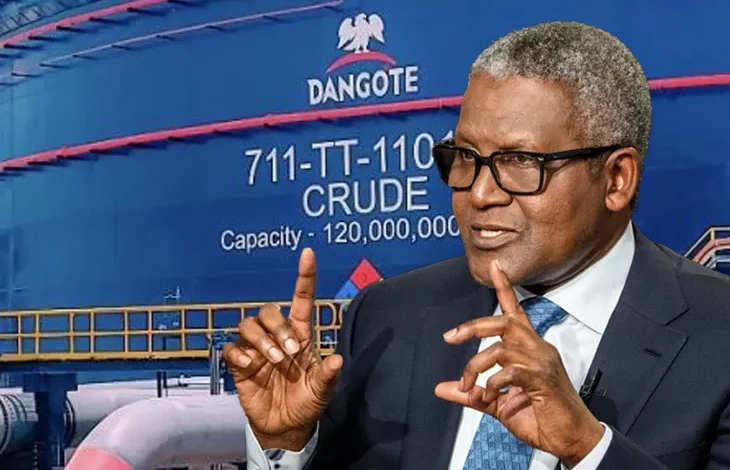
Africa is often portrayed as a continent defined by poverty, conflict, and underdevelopment, despite being one of the most resource-rich regions in the world. This oversimplified image ignores the wide economic differences among African nations and overlooks the emergence of powerful business leaders reshaping global perceptions. Countries such as Nigeria have increasingly asserted themselves in international commerce, manufacturing, and finance. At the center of Nigeria’s growing economic relevance stands Aliko Dangote, a businessman whose industrial vision has helped redefine how Africa participates in the global economy.
According to Forbes (2024–2025), Aliko Dangote’s net worth is estimated at $23–25 billion, making him Africa’s richest individual and the wealthiest Black person in the world. He consistently ranks among the top 100 richest people globally, with his fortune tied primarily to large-scale industrial assets rather than speculative investments. Dangote’s rise has not only elevated Nigeria’s profile but has also demonstrated that African-based manufacturing can compete at a global level.
Aliko Dangote was born on April 10, 1957, in Kano, Nigeria, into a family with deep commercial roots. His great-grandfather was a successful agricultural merchant who built wealth through peanut exports to Europe in the early 1900s. This legacy of trade shaped Dangote’s worldview from a young age. Even as a child, he showed strong business instincts, reportedly buying and reselling sweets to classmates for profit, an early sign of the entrepreneurial drive that would later define his career.
Dangote studied business at Al-Azhar University in Cairo, where he gained formal training in commerce and management. In 1977, shortly after returning to Nigeria, he founded Dangote Group as a small trading company. The firm initially focused on importing commodities such as cement, sugar, rice, and flour. Through strategic relationships, market insight, and an understanding of Nigeria’s regulatory system, Dangote scaled his operations rapidly in a challenging business environment.
A major turning point in Dangote’s career came in the 1990s when he shifted from trading to local manufacturing. Rather than relying on imports, he invested heavily in domestic production facilities, starting with cement. This move transformed Dangote Cement into Africa’s largest cement producer, with operations in over 10 African countries. Today, the company is one of Nigeria’s most valuable publicly listed firms and a cornerstone of the country’s industrial base.
Beyond cement, Dangote steadily diversified into sugar refining, flour milling, salt processing, packaging, logistics, and port operations. Dangote Sugar Refinery became the largest in Africa and one of the biggest globally, supplying a majority of Nigeria’s industrial sugar demand. His group also plays a significant role in agricultural exports, including sesame seeds, cocoa, ginger, cotton, and cashew nuts, reinforcing Nigeria’s position in global commodity markets.
Dangote’s investments extend beyond manufacturing into transportation, infrastructure, and logistics, areas critical to long-term industrial growth. His companies employ tens of thousands of people directly and indirectly across Africa. In recognition of his contributions to Nigeria’s economic development, Dangote has received multiple national honors, including the Grand Commander of the Order of the Niger (GCON), one of the country’s highest civilian awards.
Dangote’s influence extends well beyond business. He maintains a close working relationship with Bill Gates, co-chair of the Bill & Melinda Gates Foundation. Together, they collaborate on initiatives addressing healthcare, nutrition, and poverty alleviation in Africa. Through the Dangote Foundation, billions of naira have been committed to social causes, reinforcing his role as both an industrialist and philanthropist.
Dangote’s most ambitious project is the Dangote Petroleum Refinery, located in the Lekki Free Zone near Lagos. After years of construction, the 650,000-barrels-per-day refinery began phased operations in 2024, making it the largest single-train refinery in the world. This facility is expected to significantly reduce Nigeria’s fuel imports, conserve foreign exchange, and position the country as a major exporter of refined petroleum products.
Historically, Africa has exported raw materials while importing finished goods. Dangote has deliberately challenged this pattern by investing in value-added processing and industrial infrastructure. His strategy highlights how African resources, when combined with long-term planning and disciplined execution, can generate sustainable national wealth and global competitiveness.
With decades of experience, a diversified industrial empire, and unwavering confidence in Nigeria’s future, Aliko Dangote continues to expand his influence. While global economic conditions fluctuate, his long-term vision remains intact. If current trends persist, Dangote is likely to strengthen his position not just as Africa’s richest man, but as one of the most impactful industrial leaders of the 21st century.