King Charles III Net Worth: How Wealthy Is Britain’s Monarch?
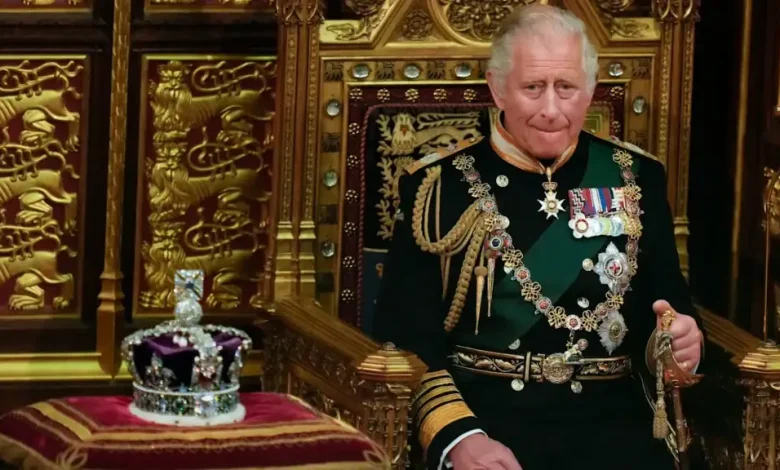
King Charles III is among the wealthiest monarchs in the world, with a personal fortune estimated in the hundreds of millions of pounds. Since becoming king in September 2022, public interest in his finances has grown significantly, particularly regarding what he inherited from Queen Elizabeth II and the assets associated with the British monarchy.
As of recent estimates, King Charles III’s personal net worth is believed to be between £600 million and £900 million (approximately $750 million to $1.1 billion), although figures vary among sources. His wealth comes from inherited assets, private estates, investments, and decades of accumulated royal income.
It is important to distinguish between Charles’ personal wealth and the vast assets connected to the Crown. Many royal palaces, jewels, artworks, and estates are held in trust for the monarchy and cannot be sold or used as personal property.


Following Queen Elizabeth II’s death in 2022, Charles inherited a substantial portion of her personal fortune. Reports indicated that he received valuable private assets, including investments, jewelry, racehorses, artwork, and the Balmoral Castle and Sandringham Estate, both privately owned royal properties.
Because transfers between sovereigns are exempt from inheritance tax under a special arrangement, the full value of these assets passed directly to Charles.
One of the king’s most significant financial resources is the Duchy of Lancaster, a private estate dating back to 1265. Upon becoming monarch, Charles automatically became its owner.
The duchy includes thousands of acres of land, commercial properties, agricultural holdings, and investment assets across England and Wales. It generates annual income used to support the monarch’s official and private activities.
Before ascending the throne, Charles controlled the Duchy of Cornwall, one of Britain’s largest private estates. The duchy provided tens of millions of pounds annually and funded his charitable work, official duties, and personal expenses.
When Charles became king, ownership of the Duchy of Cornwall transferred to Prince William, who became the new Prince of Wales.
Many people assume that Buckingham Palace, the Crown Jewels, and other famous royal properties belong personally to the king. In reality, most of these assets are owned by the Crown or the nation and are held for future monarchs.
Examples of assets not considered Charles’ personal property include:
Buckingham Palace
Windsor Castle
The Crown Jewels
The Royal Collection of art
Most official royal residences
These assets contribute to the monarchy’s prestige but not directly to Charles’ personal net worth.
Despite overseeing substantial wealth, Charles is often associated with environmental conservation, organic farming, heritage preservation, and traditional craftsmanship. He has long supported sustainable living initiatives and frequently promotes responsible environmental practices.
His residences include Clarence House, Balmoral Castle, and Sandringham House, while his official duties take him to royal properties throughout the United Kingdom.
While King Charles III is extremely wealthy, his fortune is smaller than that of several monarchs from oil-rich Gulf states and some of the world’s richest royal families. Nevertheless, he remains one of the most financially prominent heads of state globally due to his personal wealth and connection to the historic assets of the British monarchy.
King Charles III’s net worth is widely estimated at hundreds of millions of pounds, placing him among the wealthiest monarchs in the world. His fortune comes from inherited assets, private estates, investments, and royal income accumulated over decades. Although he is closely associated with some of Britain’s most famous palaces and treasures, many of those assets belong to the Crown rather than to him personally. His financial position reflects both his personal inheritance and his unique role as the reigning monarch of the United Kingdom.