Aliko Dangote’s Net Worth: Inside the Empire of Africa’s Richest Businessman
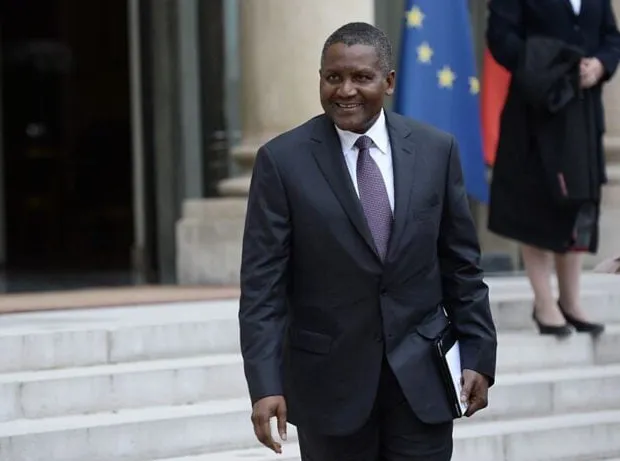
Aliko Dangote is a Nigerian industrialist whose wealth has consistently ranked him among the richest people in Africa. As of 2026, his net worth is estimated at $28 billion, making him not only the wealthiest person in Nigeria but also one of the top African billionaires globally. Dangote amassed his fortune primarily through strategic investments in commodities and manufacturing, building a business empire that dominates much of Nigeria’s industrial and commercial sectors. He is the founder and chairman of the Dangote Group, a conglomerate that spans sugar, cement, flour, salt, and other commodities, as well as ventures in oil, gas, telecommunications, and real estate. Over the decades, Dangote has transformed from a young trader into a global business magnate with influence across the African continent.
Alhaji Aliko Dangote was born on April 10, 1957, in Kano, Nigeria, into a prominent Muslim family. His parents, Mohammed Dangote and Mariya Sanusi Dantata, belonged to influential and wealthy lineages. On his paternal side, his great-grandfather, Alhaji Alhassan Dantata, was reportedly the richest man in West Africa at the time of his death in 1955. His maternal grandfather, Sanusi Dantata, held a significant position as the former director of Shell Nigeria and also founded Sanusi Dantata & Sons Limited, a major trading company. Growing up in such a background gave Dangote early exposure to business and trade, nurturing his entrepreneurial instincts from a young age.
After returning to Nigeria in the early 1970s, Dangote received a $5,000 loan from a supportive uncle and secured a government contract that allowed him to begin trading in cement, sugar, and flour. In 1977, he formally launched the Dangote Group, which started as a small trading firm in Lagos. His early strategy involved buying bulk commodities and distributing them to retailers and businesses across Nigeria. This foundation in commodity trading gave him the experience and capital necessary to expand into manufacturing and industrial operations later.


By the 1990s, Dangote had shifted his focus from trading to producing commodities locally, a move that transformed his business trajectory. He began establishing factories to manufacture cement, sugar, and flour, items that were heavily imported into Nigeria at the time. This vertical integration allowed him to control costs, maintain quality, and dominate markets. Dangote Sugar Refinery emerged as Africa’s largest sugar producer, while Dangote Cement grew into the continent’s largest cement manufacturer. The cement division proved particularly profitable, as it tapped into Nigeria’s construction boom and Africa’s rising infrastructure needs.
Aliko Dangote’s success has also been linked to his political connections and ability to navigate Nigeria’s complex business environment. He has made substantial contributions to political campaigns, most notably funding Olusegun Obasanjo’s re-election in 2003 with over N200 million (approximately $2 million USD). Additional donations to the ruling PDP party and projects like the National Mosque have reinforced his network within Nigeria’s political and economic elite. While such contributions have occasionally sparked controversy and scrutiny over potential conflicts of interest, they have also facilitated strategic business advantages in heavily regulated sectors like cement and sugar.
Dangote is equally renowned for his philanthropic endeavors, particularly in health, education, and economic empowerment. In 2014, he donated N150 million ($75,000) to help combat the Ebola outbreak in West Africa. During the COVID-19 pandemic in 2020, he contributed N200 million to support Nigerian efforts to curb the virus. He has partnered with global organizations such as the Bill and Melinda Gates Foundation to fight polio and serves on the Board of Directors for the Clinton Health Access Initiative. In 2014, he established the Aliko Dangote Foundation, which focuses on improving public health, advancing education, and promoting economic development.
Aliko Dangote resides in Lagos, Nigeria, and has been married twice, with both marriages ending in divorce. He has three biological daughters, including Halima Aliko Dangote, and one adopted son. Despite his immense wealth, Dangote maintains a relatively private lifestyle, rarely appearing in the media outside of business or philanthropic engagements.
Aliko Dangote’s journey from a young commodity trader to the richest person in Nigeria and Africa is a testament to strategic vision, perseverance, and business acumen. Through the Dangote Group, he has shaped Africa’s industrial landscape, creating thousands of jobs and contributing significantly to local economies. His empire spans commodities, manufacturing, oil and gas, telecommunications, and real estate, making him a model of diversification and long-term wealth creation.
Primary Source of Wealth: Dangote Group (Cement, Sugar, Flour, Salt, Oil, and Gas)
Other Ventures: Real Estate, Banking, Telecommunications, Imports/Exports
Philanthropy: Aliko Dangote Foundation, Public Health Initiatives, Education Programs.